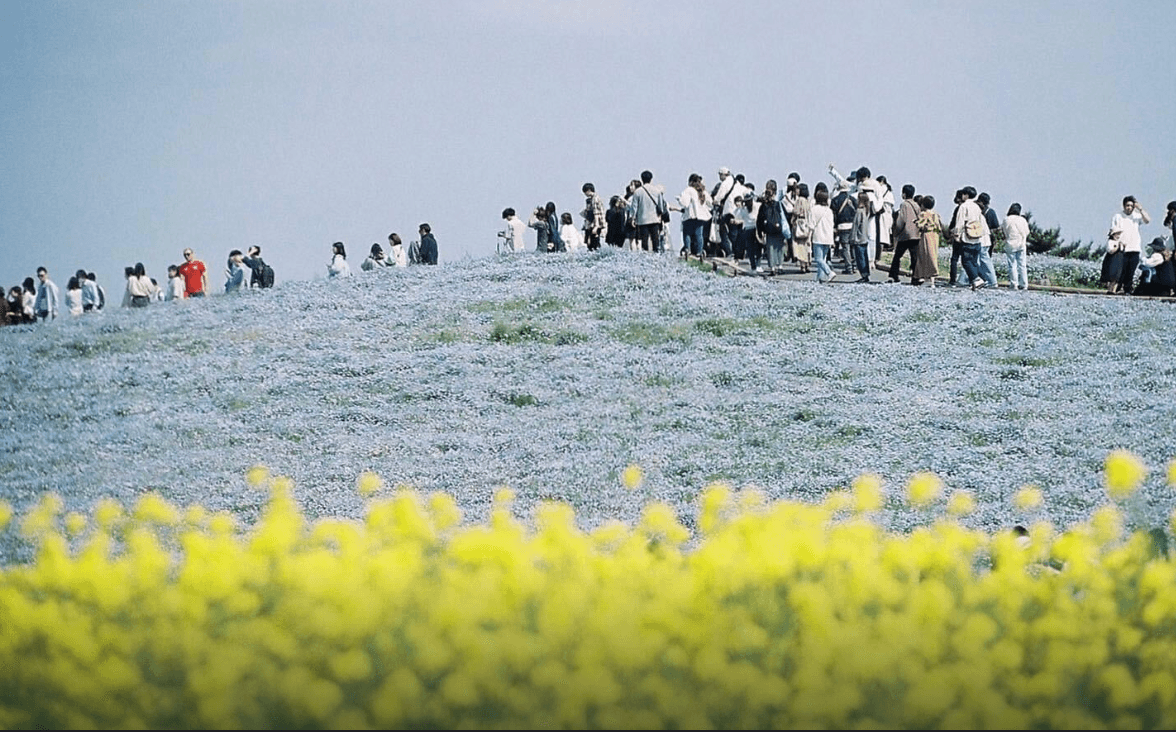
When it comes to beautiful sights to behold in Japan, there is the quintessential cherry blossom in spring and the maple leaves in autumn-- both which are, of course, rightfully adored. But what is there to see in the off-season?
To start, Japan has no “off-season” for flowers; they are a year-round thing here. Regardless of the month, there is surely a flower that is in season, and most likely a flower fan waking up at 4AM to reserve the best viewing spot. This goes beyond sakura and autumn leaves. If you plan to be here in between spring and autumn, be on the lookout for the following:
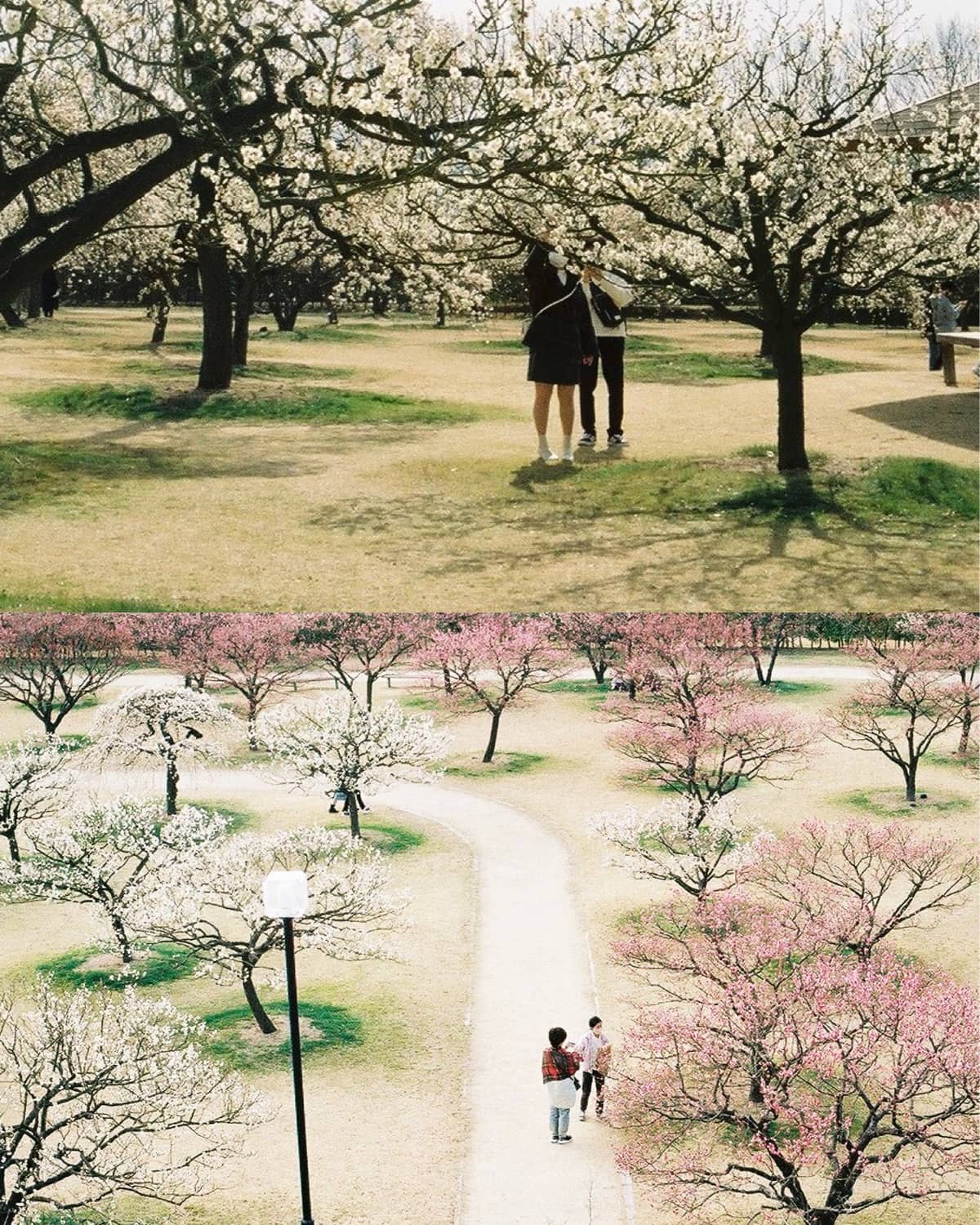
Plum Blossom (Late February – Early March):
If you’re in Kyoto, popular flower-viewing spots include Kitano Tenmangu Shrine and Umekoji Park. However, plum blossoms can be seen sprouting up in various neighborhoods and locations throughout Japan.
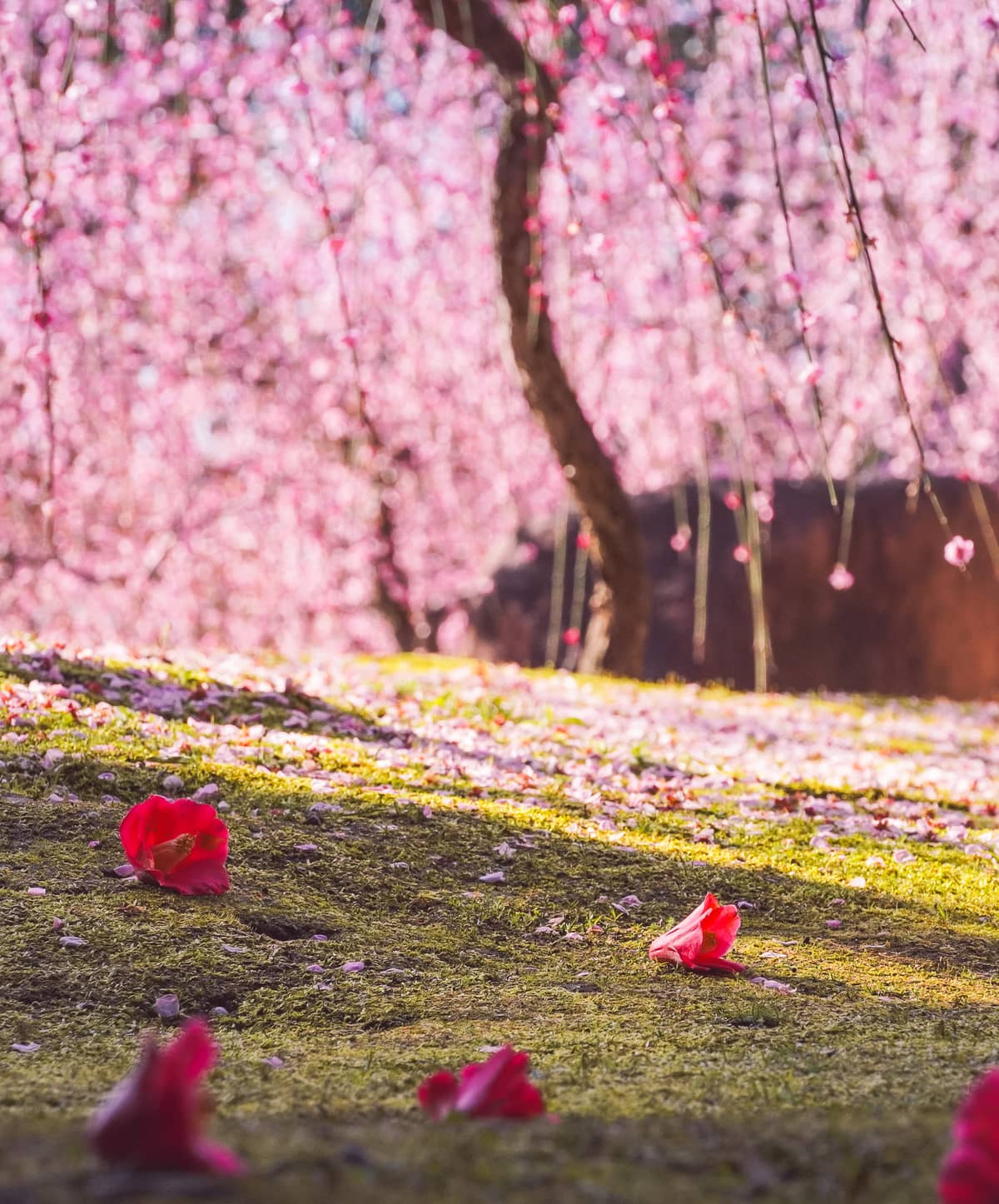
Camellia (Late February – Early March):
While these beauties are in full bloom during the month of February, they are actually at their prettiest after they fall. The best place to witness this is at Jonangu Shrine in Kyoto. The camellias fall onto a green moss-covered ground, with full-bloom shidare-ume, drooping plum blossoms, in the background to complete the view.
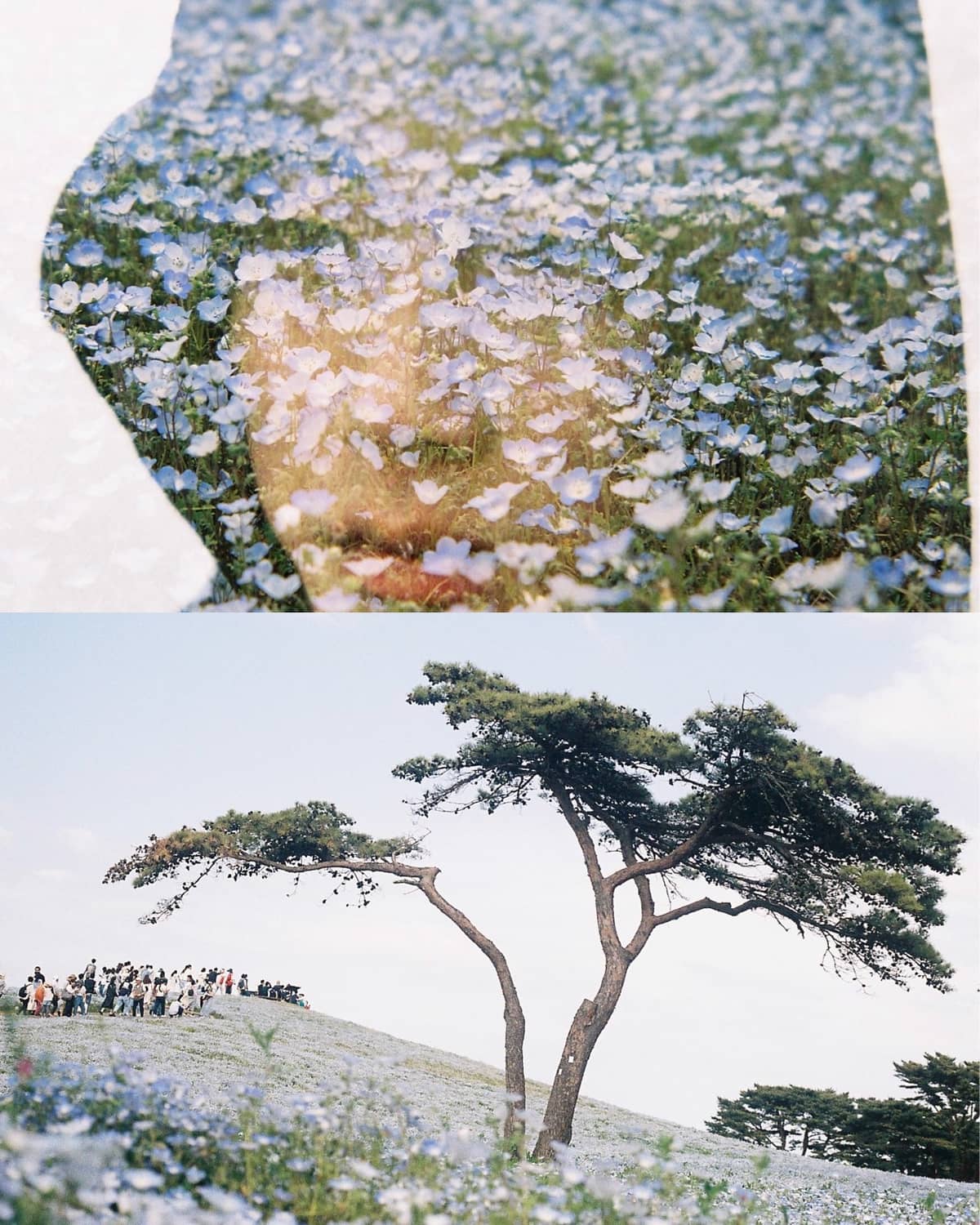
Nemophila, or “baby blue eyes” (Early April – Late April):
Many public parks across Japan showcase this flower in ENORMOUS volumes, engulfing viewers in a sea of powder-blue petals. If you’re in the Kansai Region, you will get the best experience by visiting Osaka Maishima Seaside Park.

Poppy (Early May – Mid-May):
Similar to the nemophila, Japan presents the poppy in overwhelming amounts. One can get lost in the parks that raise poppies, and our recommendation for doing so is Awaji Hanasajiki in Hyogo Prefecture.
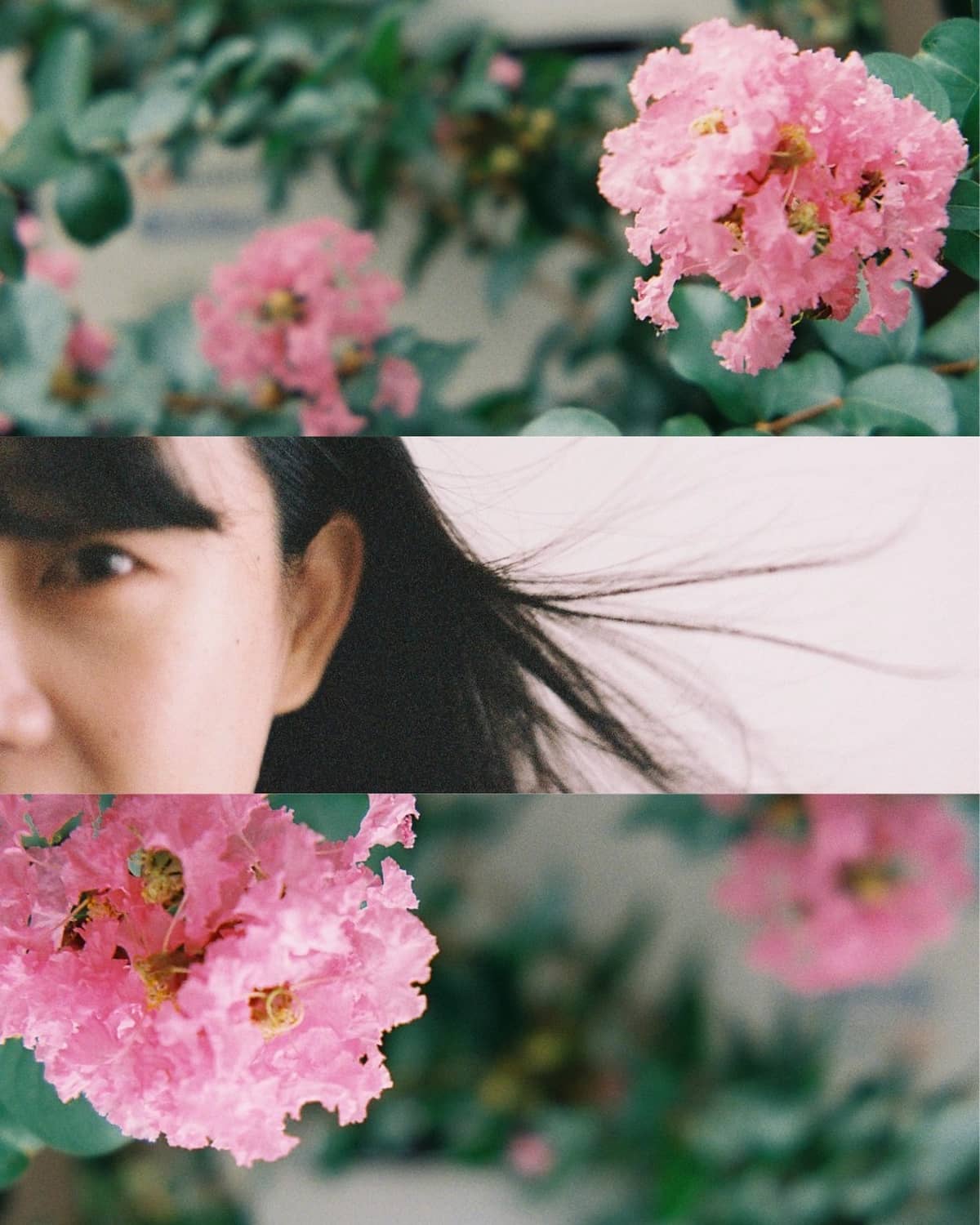
Crape Myrtle (Late July – Late September):
There is no one specific place to view a batch of the crape myrtle, but you can find them decorating houses and streets throughout the entirety of Kyoto, adding a lovely touch to the architecture and cityscape. In contrast to the other flowers mentioned in this article, the crape myrtle thrives for close to two months and is pretty hard to miss.
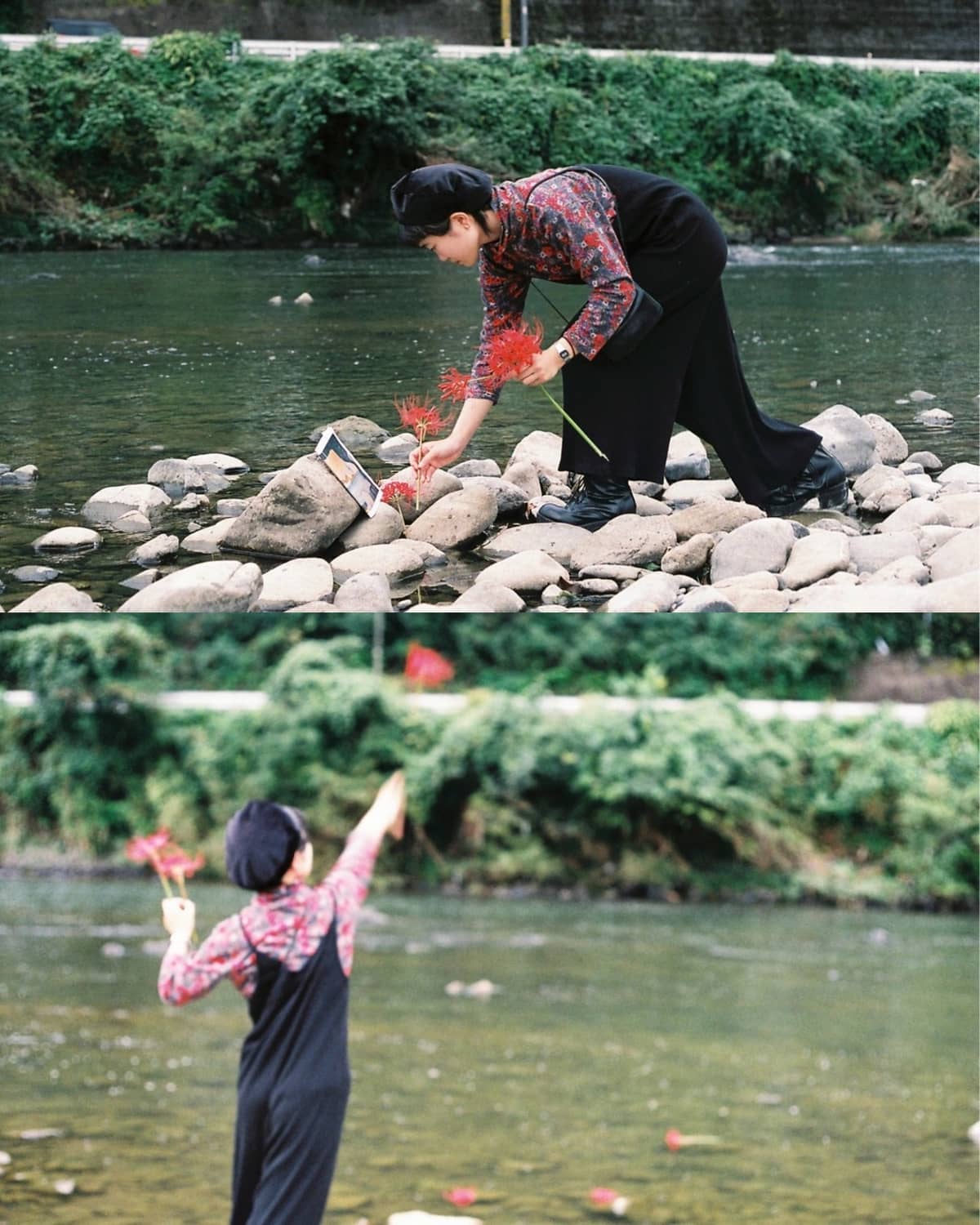
Tiger Lily (Early September – Late September):
The tiger lily is another less-lauded flower that is usually enjoyed as an accent instead of a main attraction. However, if one wishes to see them sprouting together in a single patch, Katsuragi Kodo/Kuhonji in Nara is where it’s at. What's great about this place is that there is free entry, and it is open 24 hours.
Our other favorite flower-viewings include visiting the wisteria at Byodo-in in late spring, the sunflowers at Nanko Sunflower Field in the summer, and the cosmos at Awaji Hanasajiki in autumn. Wishing you many awesome blossoms on your trip, no matter the season!