
Ever have a specific thought or feeling at the tip of your tongue but just can't quite seem to find the words to articulate it? It might be that what you want to say simply doesn't exist in English. Perhaps the poetic sensibility you're searching for exists only in another language, like Japanese. Japanese culture is known for its nuanced attention to detail in many aspects of life, and communication is no exception. There's a plethora of flowery, poignant, humorous, and, occasionally, altogether too-specific phrases in the Japanese lexicon.
What follows are some of our favorite phrases we wish existed in English:

Ukiyo directly translates to "floating world" and actually means "this transient, unreliable world". In recent days, this term has been used to describe someone who is detached from the trivial struggles of life and is instead living in the now.
Ex.
No one is free from worldly cares.
浮世の心配事のない人はない。

Amae is a word that is used when one acts immature or dependent because they know that the person they are directing it towards will let them get away with it. Not limited to just romantic relationships, amae can also be seen in child-parent relationships or even in the workplace.
Ex.
Mama's Boy
母親に甘えてばかりいる男の子

Mono no aware simply means the pathos of things. It refers to a profound empathy towards things other than sentient beings such as the coming and going of cherry blossoms every spring, a broken ceramic that is pieced back together, or even the waxing and waning of the moon.
Ex.
Nothing quite evokes emotions the way autumn does.
もののあはれは秋こそまされ。

The space between the top of knee-high socks and the hem of a skirt. Not much to explain here but please use this sparingly and respectfully
Ex.
Refer to photoset.

Sunlight streaming through the trees. Comparable to the english word, petrichor, the earthy scent produced when rain falls on dry soil.
Which do you find more poetic?

Ikigai is one's reason for being. The expression encapsulates the concept of finding purpose and joy in life through various elements, including relationships, activities, and personal passions.
Ex.
Her son makes life worth living.
彼女は息子が生き甲斐です。
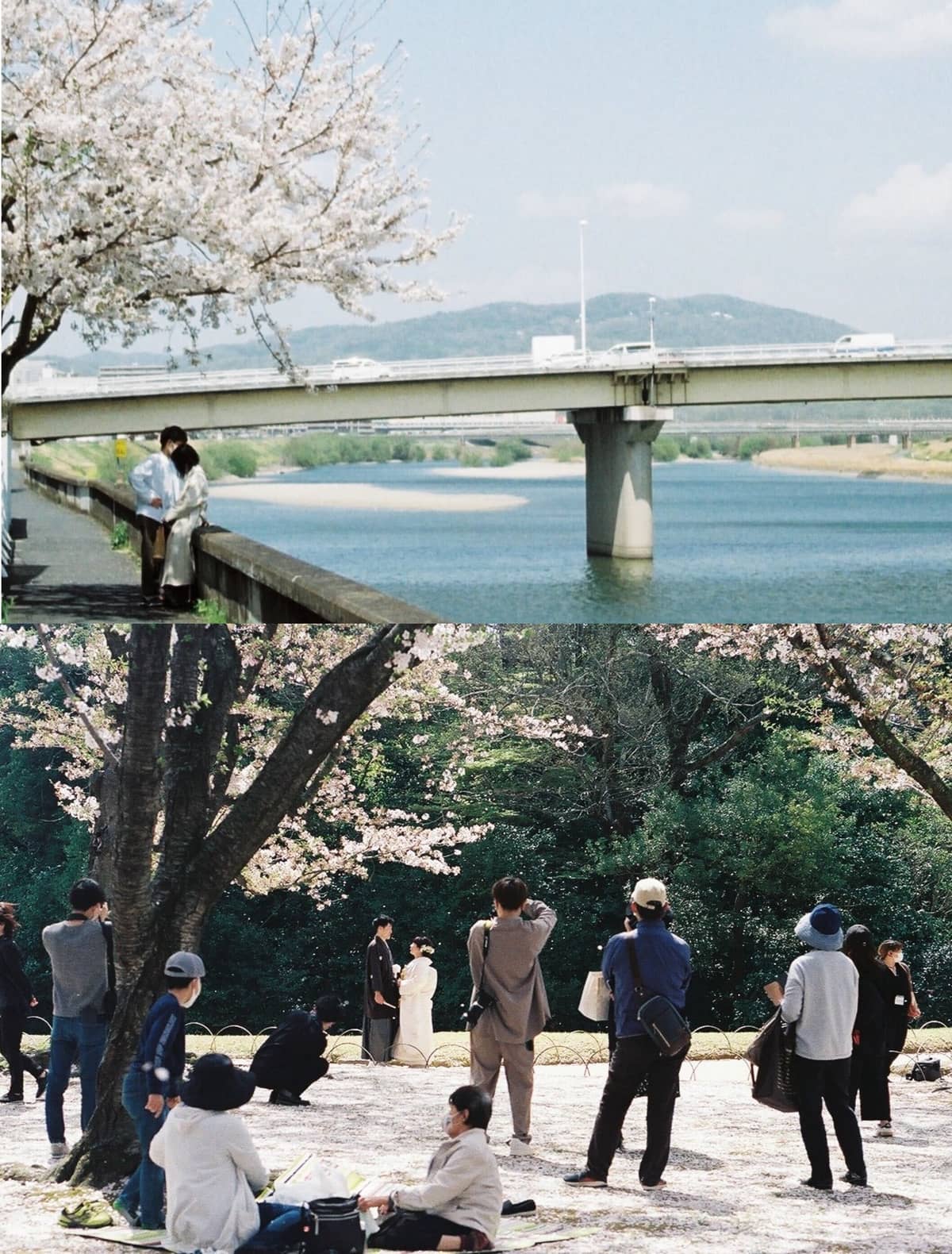
Not falling in love at first sight, but having the feeling you will fall for someone in the future.
Ex.
I didn’t see him as a romantic interest five years ago, but I got the feeling that there might be something between us. I confirmed that feeling the moment we met at last week’s reunion.
5年前、彼を男として見ていなかったけど、なぜか恋の予感があった。先週、同窓会で再会した瞬間にその予感を確かめた。