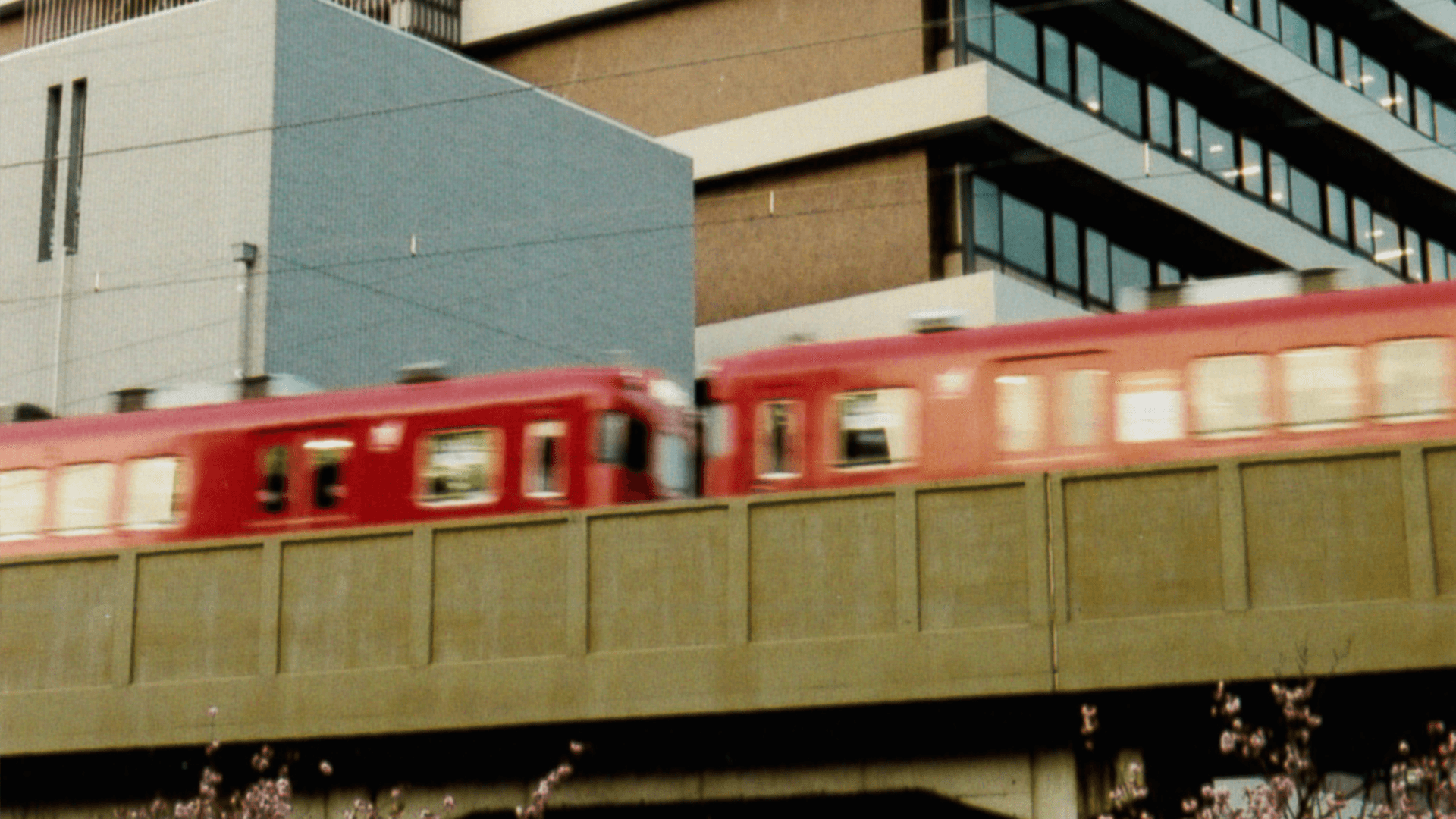
Japan’s public transportation system is perfect in almost every aspect. The trains are almost always punctual. Vehicles are pristine and cleaned on a regular basis. You can get across the country without a car. Heated seating in the winter. Air conditioning blasting in the summer. Most importantly, the people living here have a mutual understanding of the do’s and dont's when boarding trains and buses.
The following is a must-read for all overseas travelers preparing for a trip to Japan. All the rules mentioned below are simple and very easy to understand. Let’s get you on the right path before you touch down!
Mind Your Baggage
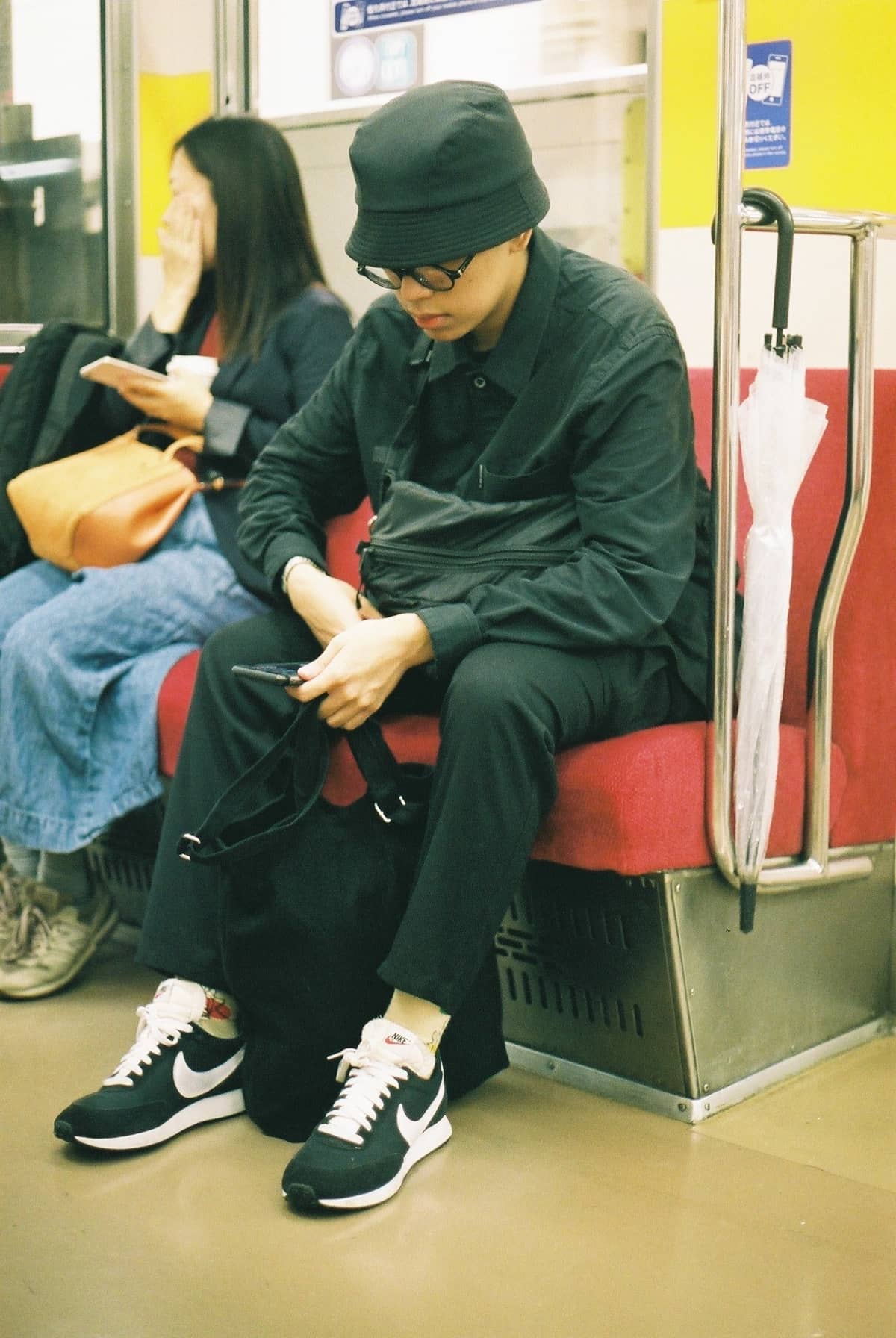
Being on trains or buses with bulky luggage is S-Tier on the list of “things I wouldn’t wish on my worst enemy”, but let’s try not to make it a painful experience for everybody else boarding with you. If you have a backpack/rucksack, you should hold it in front of you so as to not accidentally bump people behind you or block the already-narrow walkway.
Speaking of walkways, one should keep their carry bags in a place that doesn’t prevent others from moving around, especially when near the entrance or exits. Most trains will have overhead storage for larger luggage. For Kyotoites, we are lucky enough to have buses with storage in the front and back areas for travelers with multiple bags on them. If those spaces are occupied, you should be fine keeping your belongings on either side of you.
Put The Food Away
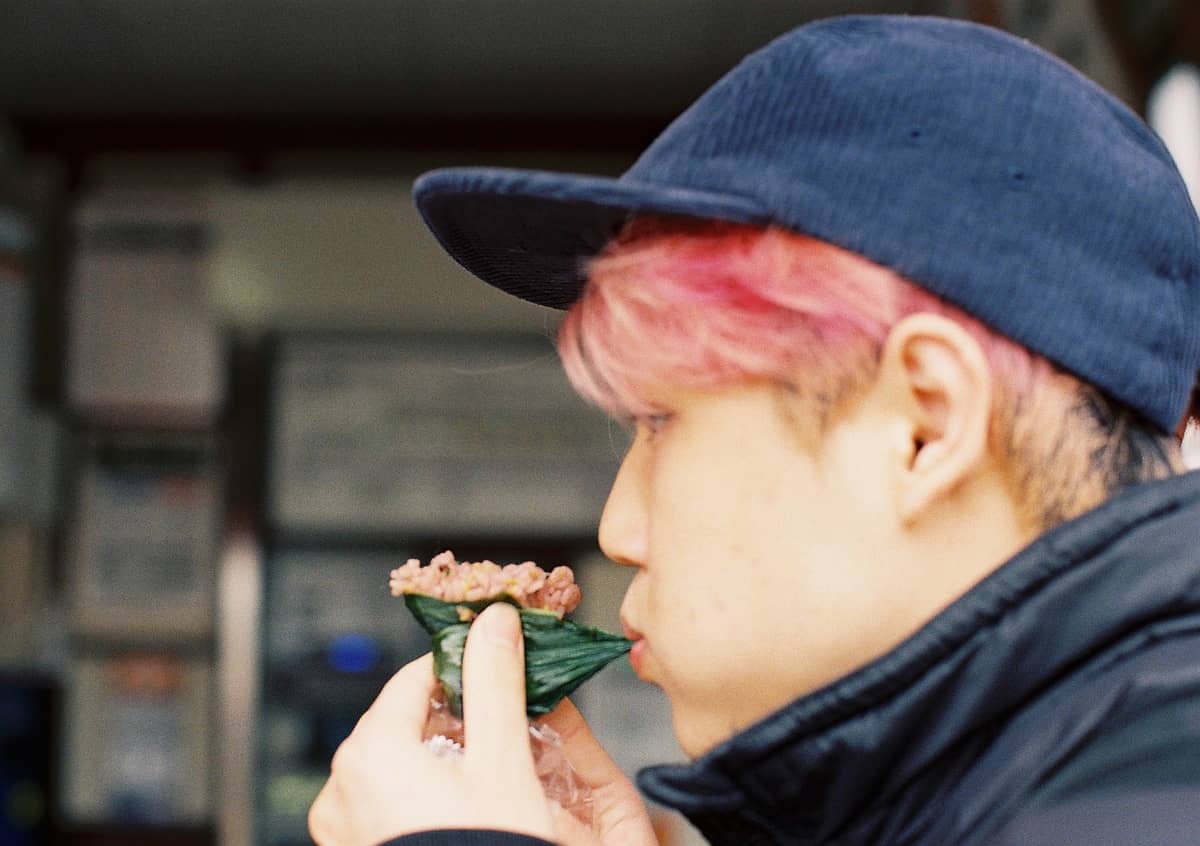
Unlike most western countries, eating on public transportation is not tolerated in Japan, and this is pretty easy to accept once you experience bus and train riding in this country. There are dozens of people riding with you, and the smell of a double cheeseburger wafting throughout such an enclosed space is only a positive experience for the person eating it.
Japan is a little bit more liberal when it comes to beverages. As long as the drink has a secure lid and is not alcohol, you should be fine drinking it (though we do not recommend drinking while the vehicle is in motion).
Save The Call For Later
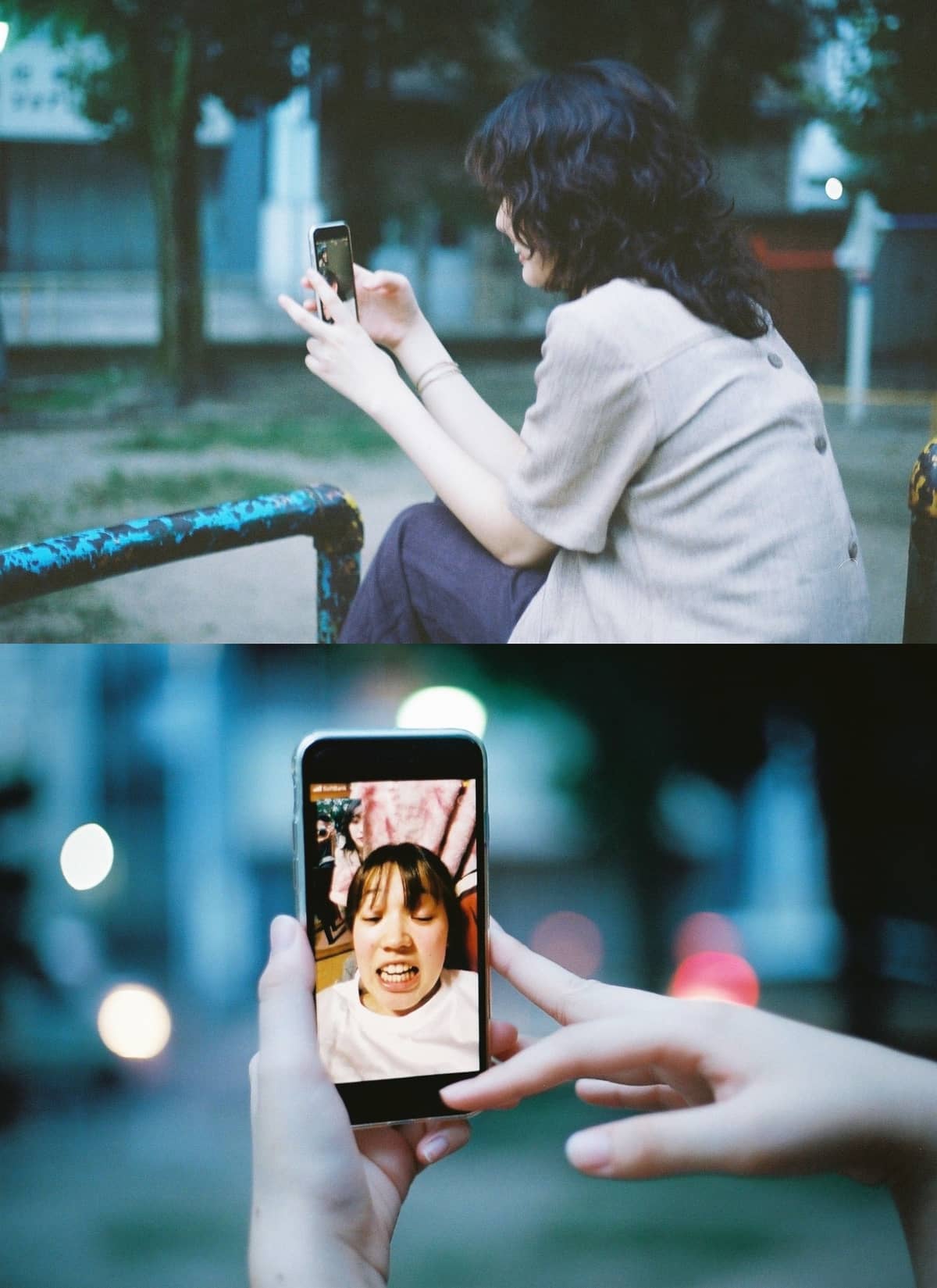
There are a plethora of places to chop it up with a friend via Facetime. Public transportation is not one of those places. In general, people tend to keep from talking out loud when riding the buses and trains in Japan.
Be Courteous
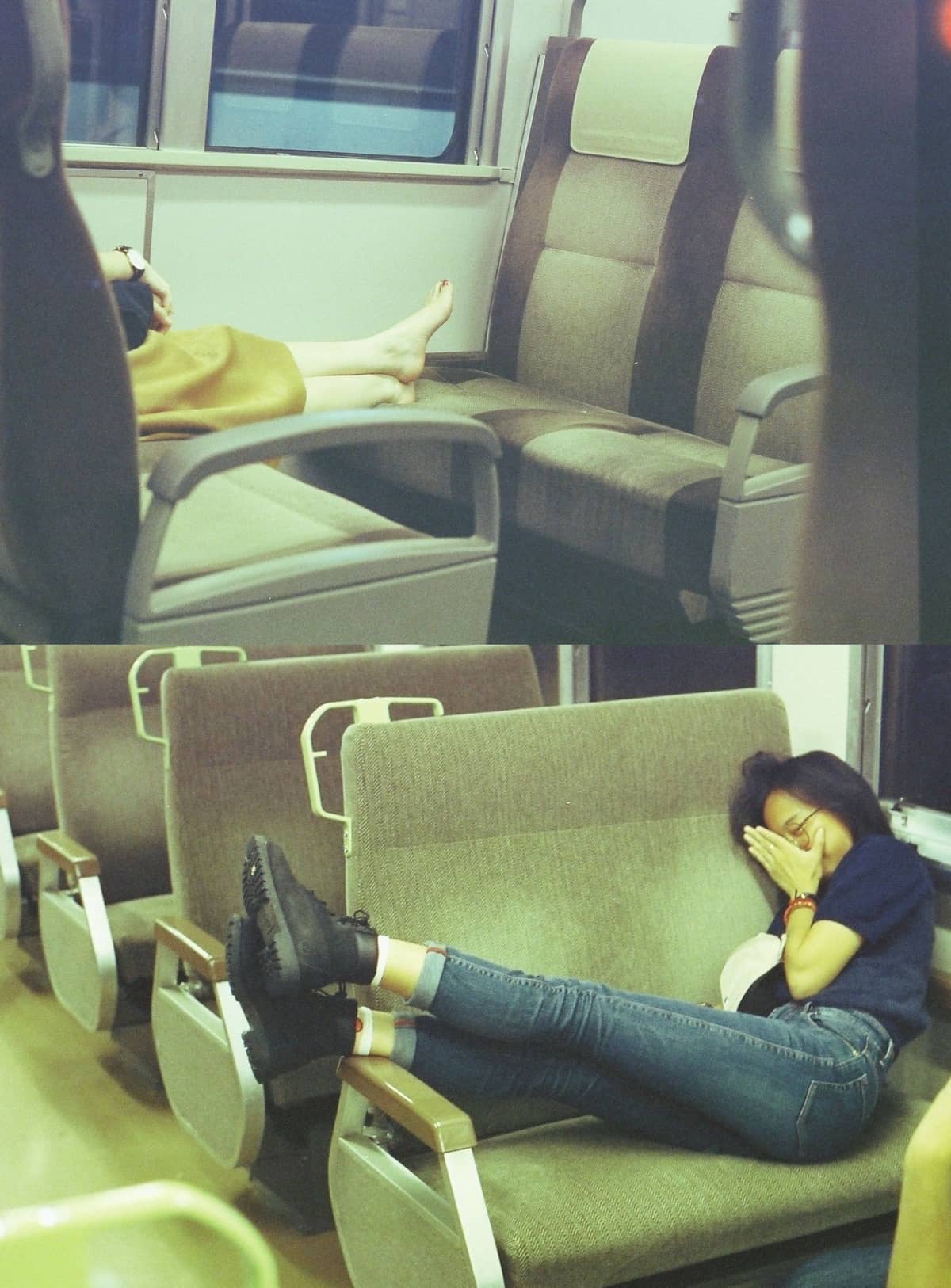
There are Priority Seats for the elderly and handicapped. It should be a given that one should not sit in this area. But even if you are in the general seating area, you should be ready to give your seat up to someone who might need it more than you. This includes, elderly individuals that were not lucky enough to get a priority seat, those boarding with children, pregnant women and people who just look exhausted.
Being considerate is part of the culture here, and one should practice it when presented with the opportunity to do so.
Do Not Sit On The Floor
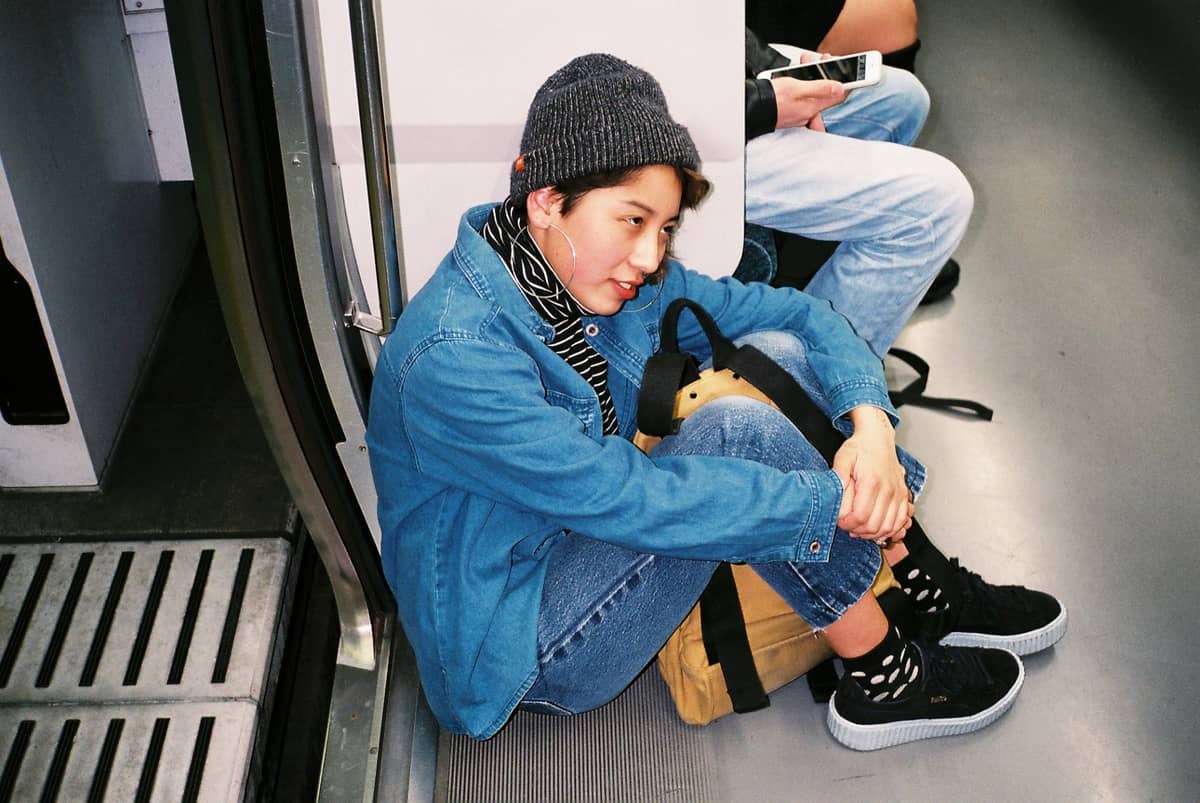
While trains provide plenty of open space for people who are unable to get a seat, coming across someone sitting on the floor is few and far between. Furthermore, one occupies more space when sitting, which means there is less room for others to board the train comfortably.
When The Bus Is Moving, We Don’t
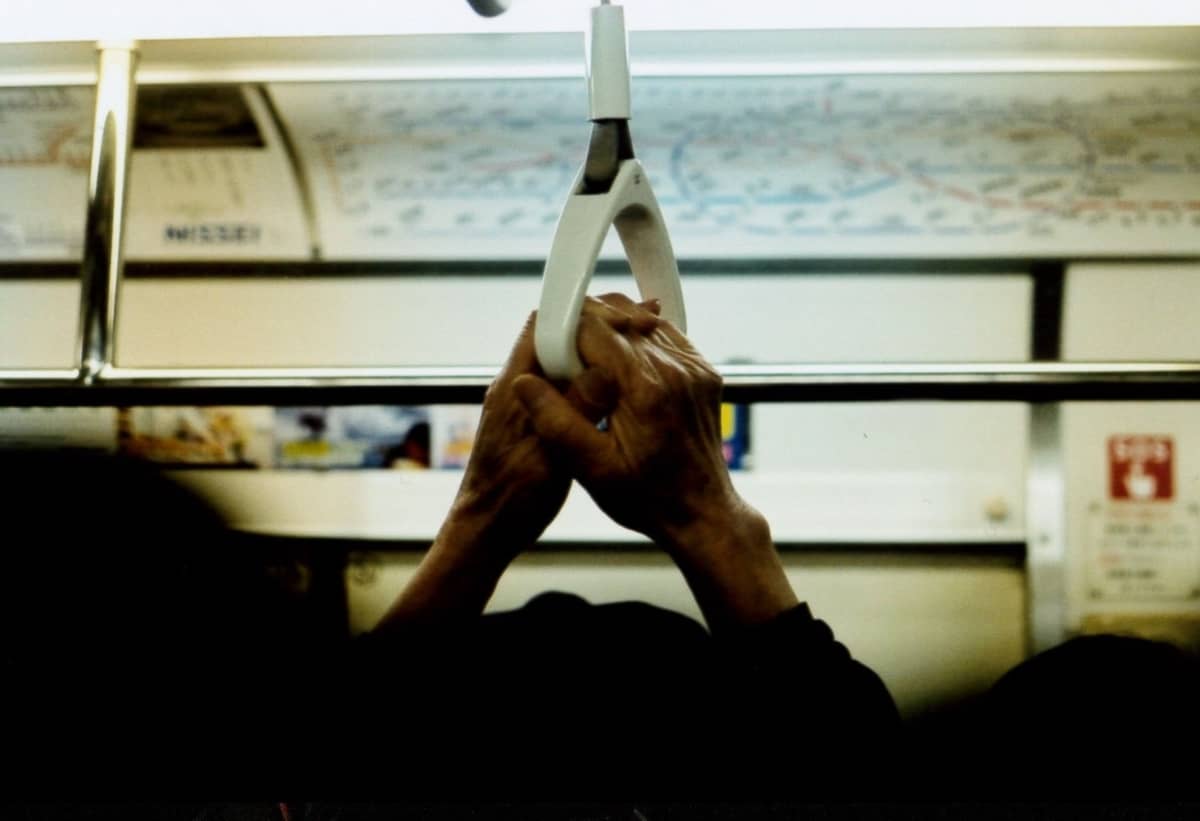
We completely understand wanting to get as close to the exit before arriving at your destination, but it could be pretty dangerous. Traffic in most cities is full of surprises, sharp turns and sudden stops-- it can’t really be helped. If the driver hits the brakes while you are trying to rush from the back of the bus to the front, no amount of “gains” or “leg days” are going to keep you from being launched forward and either falling or bumping into another passenger.
Keep calm and hold onto the handles along the sides, or stay seated until the vehicle comes to a full stop. The driver is aware of the time it takes to swim through the crowds to get off the bus, and we promise he will wait for you when the time comes.
Even with the commuter crowds and traffic jams in busy areas, riding the buses and trains in Japan is pretty easy to understand. These rules cover [almost] everything you need to know about the unspoken etiquette the residents in Japan practice. If you are unsure of what to do, just have a look around and see what everybody else is doing. We promise they won’t lead you astray.